Guides, teardowns and news about vintage computing power supplies.
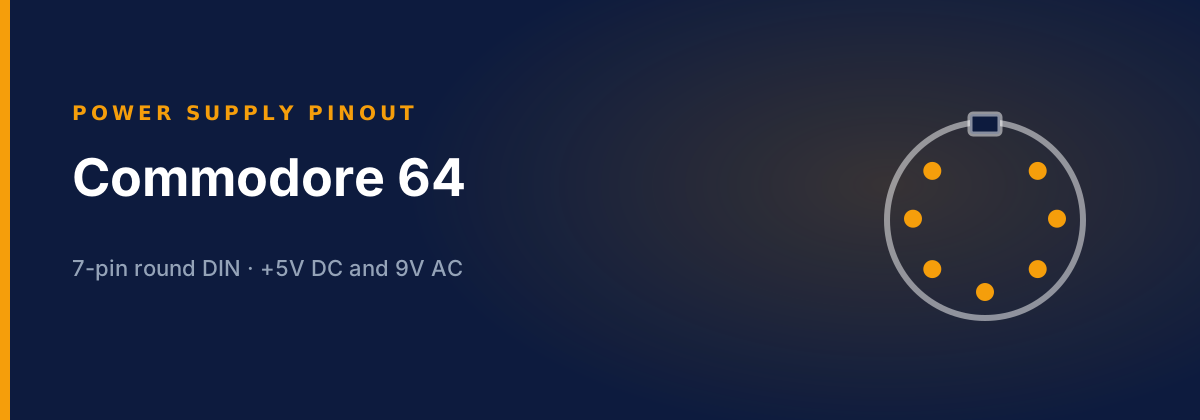
Which contact on the C64's 7-pin DIN power socket carries +5V DC and which carries 9V AC, and how to test a supply before it reaches the machine.
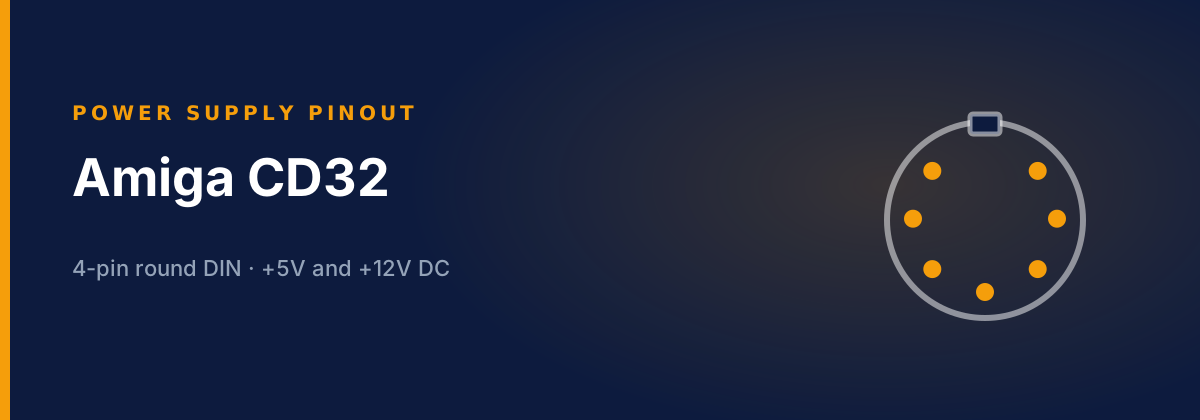
What sits on each contact of the Amiga CD32's 4-pin round DIN power connector, why it needs only two rails where an A500 needs three, and how to test a supply before connecting it.
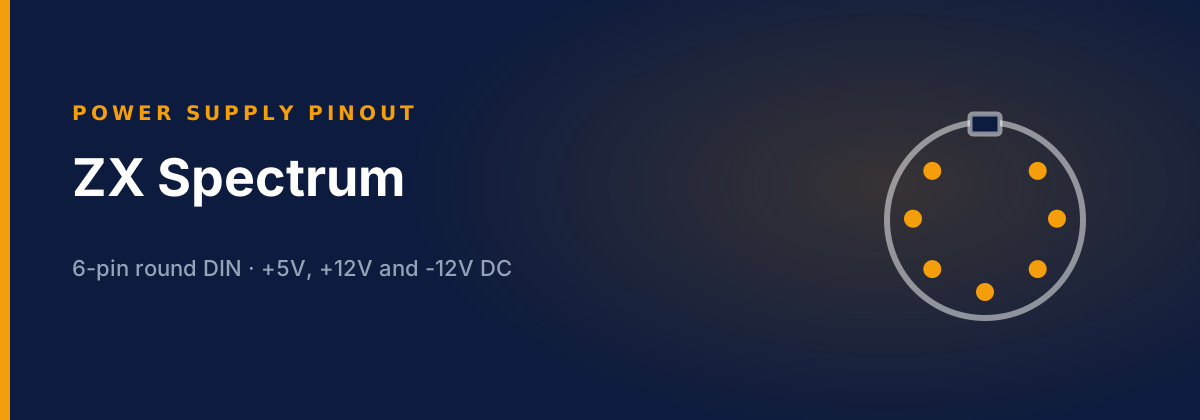
What sits on each contact of the ZX Spectrum's 6-pin round DIN power connector, why two of its three rails exist purely for the memory chips, and how to check a supply safely.
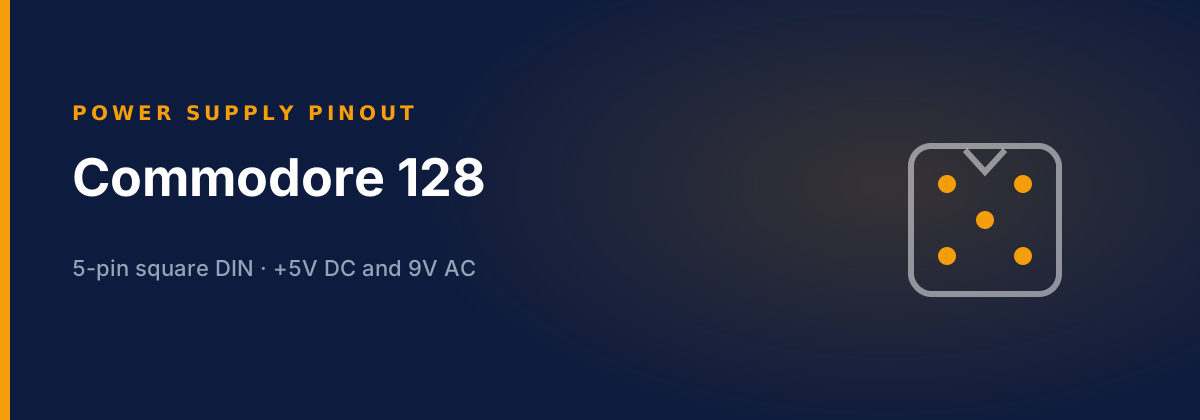
What sits on each contact of the Commodore 128 square 5-pin DIN power connector, and why a C64 supply is not a safe substitute for it.
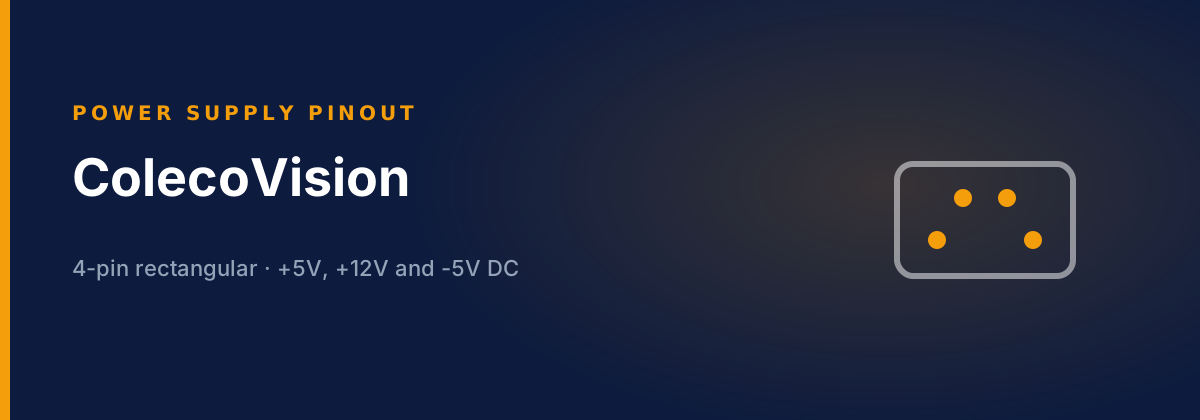
What sits on each contact of the ColecoVision 4-pin power connector, why the console needs a -5V rail, and how to check a supply safely.
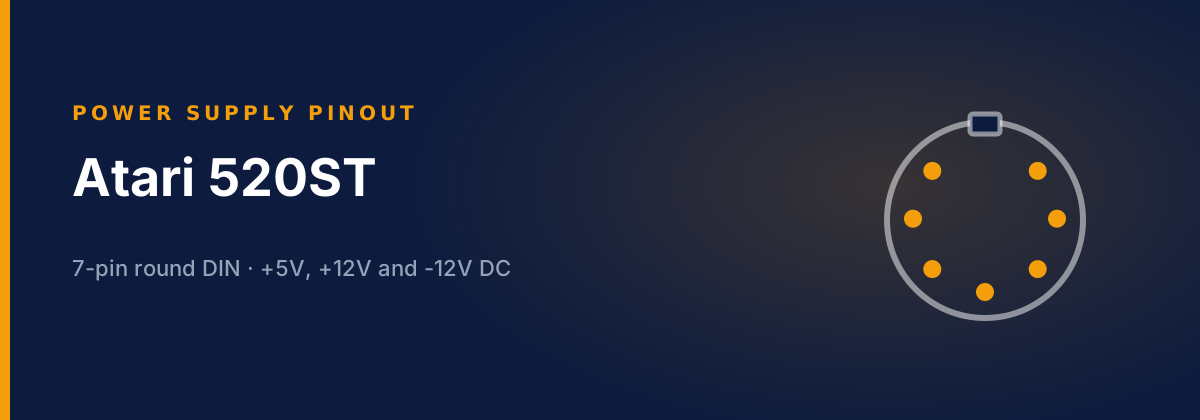
The 520ST uses the same 7-pin round DIN as a Commodore 64 and an Atari XL/XE, and carries three rails where one of them carries one. Here is what sits on each contact.
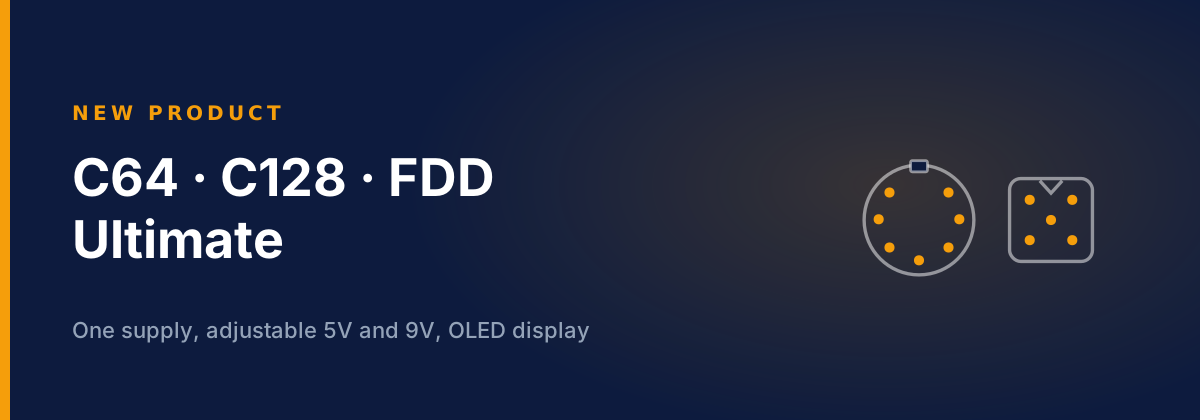
Our new Commodore C64/C128/FDD Ultimate power supply is now available in a limited series.
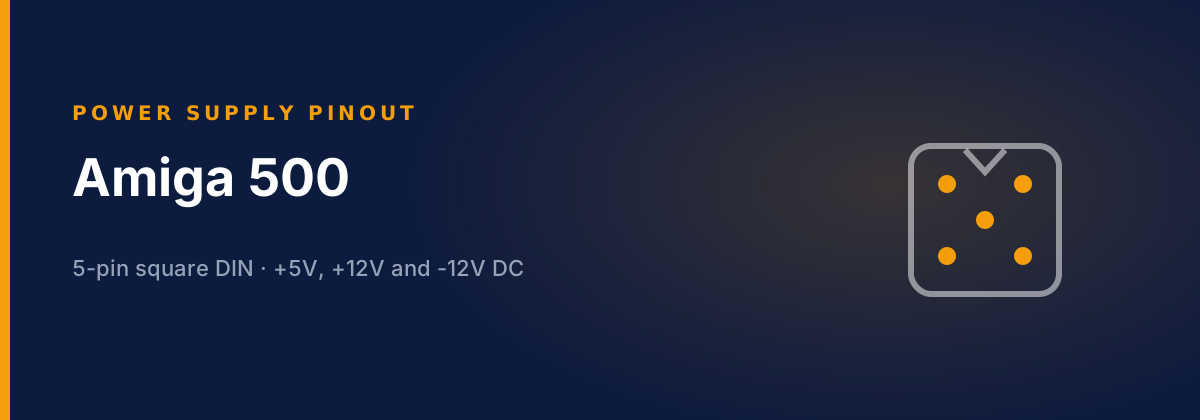
What sits on each contact of the Amiga 500 square 5-pin DIN power connector, what the -12V rail is for, and what the original bricks delivered.
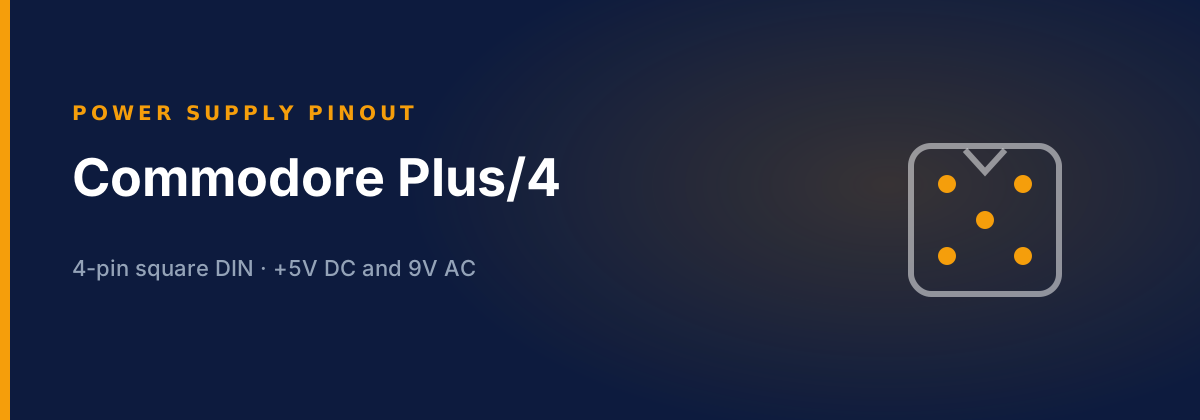
What sits on each contact of the Plus/4's 4-pin square DIN power connector, why Commodore used the same +5V and 9V AC pair as the C64, and how a C128 plug relates to it.
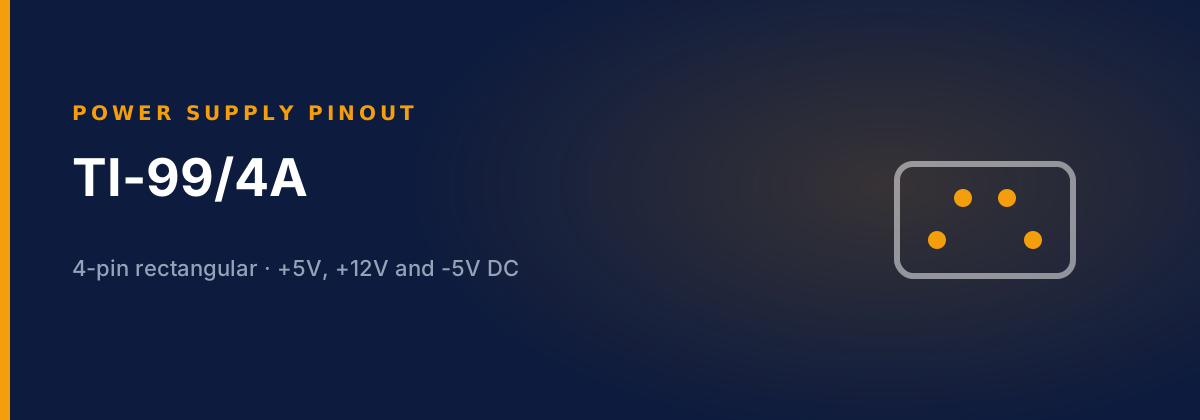
What sits on each contact of the TI-99/4A's 4-pin rectangular power connector, why the machine needs a negative rail at all, and why its connector matches the ColecoVision's.
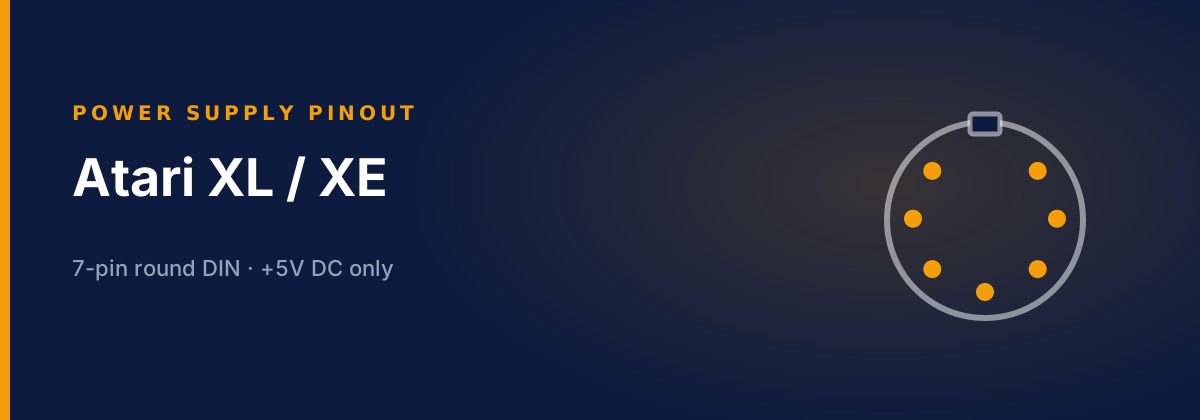
The Atari XL/XE takes a single +5V rail through a 7-pin DIN: three contacts for the rail, three for ground. Why it is split, and the C64 trap.
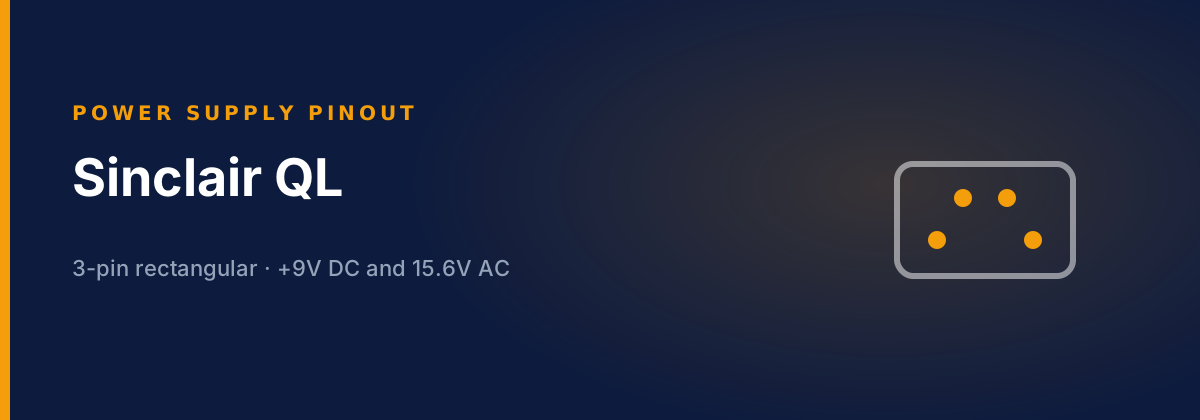
The Sinclair QL takes +9V DC and 15.6V AC through a 3-contact connector, and neither figure is 5V. Here is what sits where, what the AC rail actually drives, and how to test a supply.